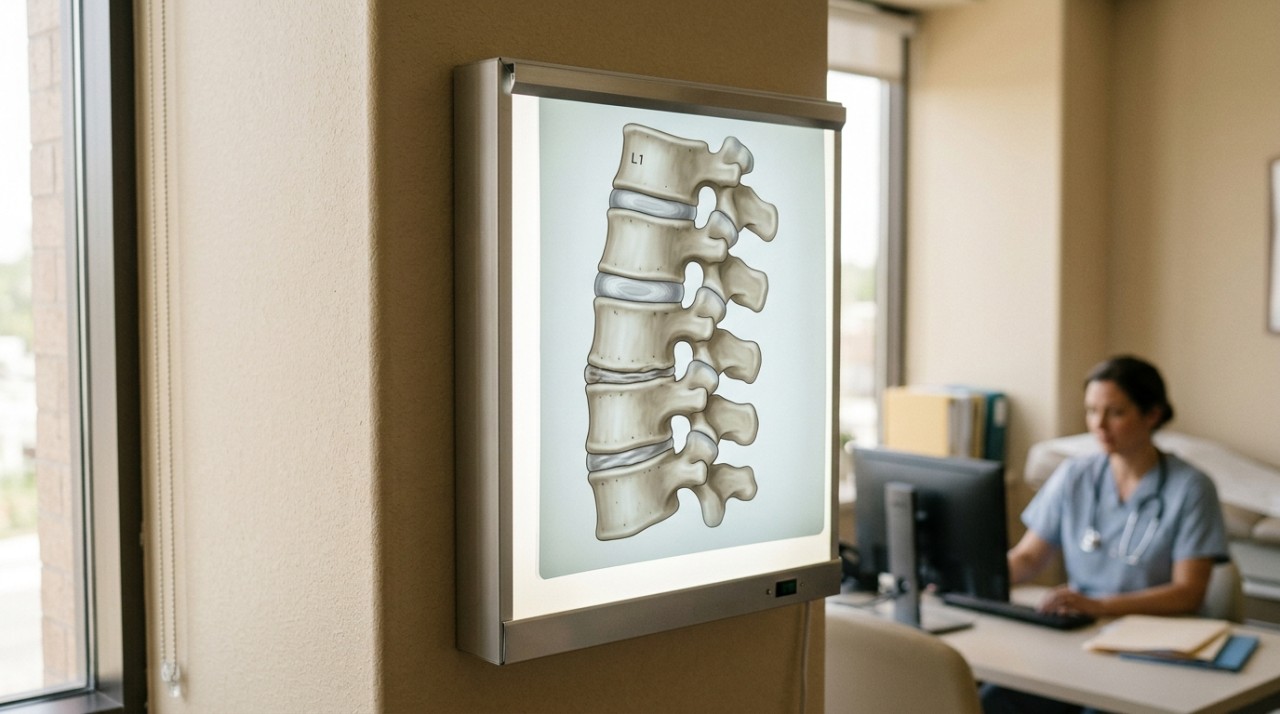
A laminectomy creates more room for compressed spinal nerves by removing part or all of the lamina at the back of a vertebra. It is most often used when spinal stenosis limits walking, causes radiating pain, or produces neurological symptoms.
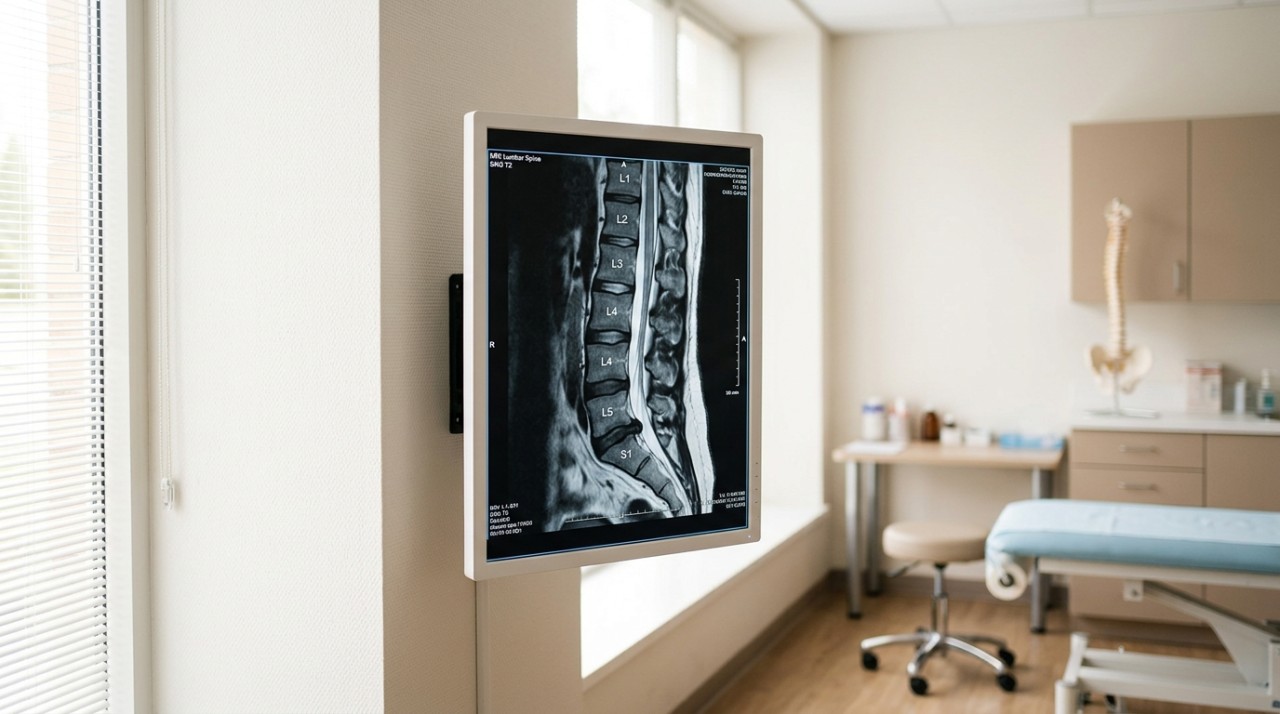
Microdiscectomy is a focused spine procedure that removes the part of a herniated disc pressing on a nerve. It is usually considered when leg pain, numbness, or weakness continues despite appropriate nonsurgical care.
Bone spurs — also called osteophytes — are smooth, bony growths that can cause pain and stiffness when they press on tendons or nerves in the shoulder or neck.
Spinal fusion surgery permanently joins two or more vertebrae so they heal into a single, solid bone — one of the most effective operations for chronic back or neck pain that hasn't responded to conservative treatment.
Pain that starts in the neck and travels into the shoulder, arm, hand, or fingers is often more than a muscle strain — it may be cervical radiculopathy, commonly called a pinched nerve in the neck. When arm pain, numbness, or weakness persist despite conservative treatment, a spine evaluation can determine whether surgery should be considered.
Being told you have spondylolisthesis — where one vertebra has slipped forward over the one below it — can sound alarming. But not every slip needs surgery. When the slip causes nerve compression, progressive symptoms, or pain that hasn't improved with conservative care, a spine specialist can help determine whether decompression, fusion, or continued non-surgical care is the right path.
Pain that starts in the neck and travels into the shoulder, arm, hand, or fingers is often more than a muscle strain — it may be cervical radiculopathy, commonly called a pinched nerve in the neck. When arm pain, numbness, or weakness persist despite conservative treatment, a spine evaluation can determine whether surgery should be considered.
This staging-only test article was created to verify the new Joomla publishing workflow, including HTML handling, cover-image generation, metadata extraction, and preview-link delivery. It is not intended for production publication or patient-facing use.
If raising your arm overhead makes you wince — or you've noticed a nagging ache deep in your shoulder that's worse at night — you may be dealing with shoulder impingement syndrome. The good news: most people get significant relief with the right exercises for shoulder impingement, combined with targeted non-surgical treatment. This guide walks you through what impingement is, how it's diagnosed, which exercises help most, and when it may be time to see an orthopedic specialist.
Shoulder Impingement Syndrome: Exercises, Treatment & When to See a Surgeon
If raising your arm overhead makes you wince — or you've noticed a nagging ache deep in your shoulder that's worse at night — you may be dealing with shoulder impingement syndrome. The good news: most people get significant relief with the right exercises for shoulder impingement, combined with targeted non-surgical treatment. This guide walks you through what impingement is, how it's diagnosed, which exercises help most, and when it may be time to see an orthopedic specialist.
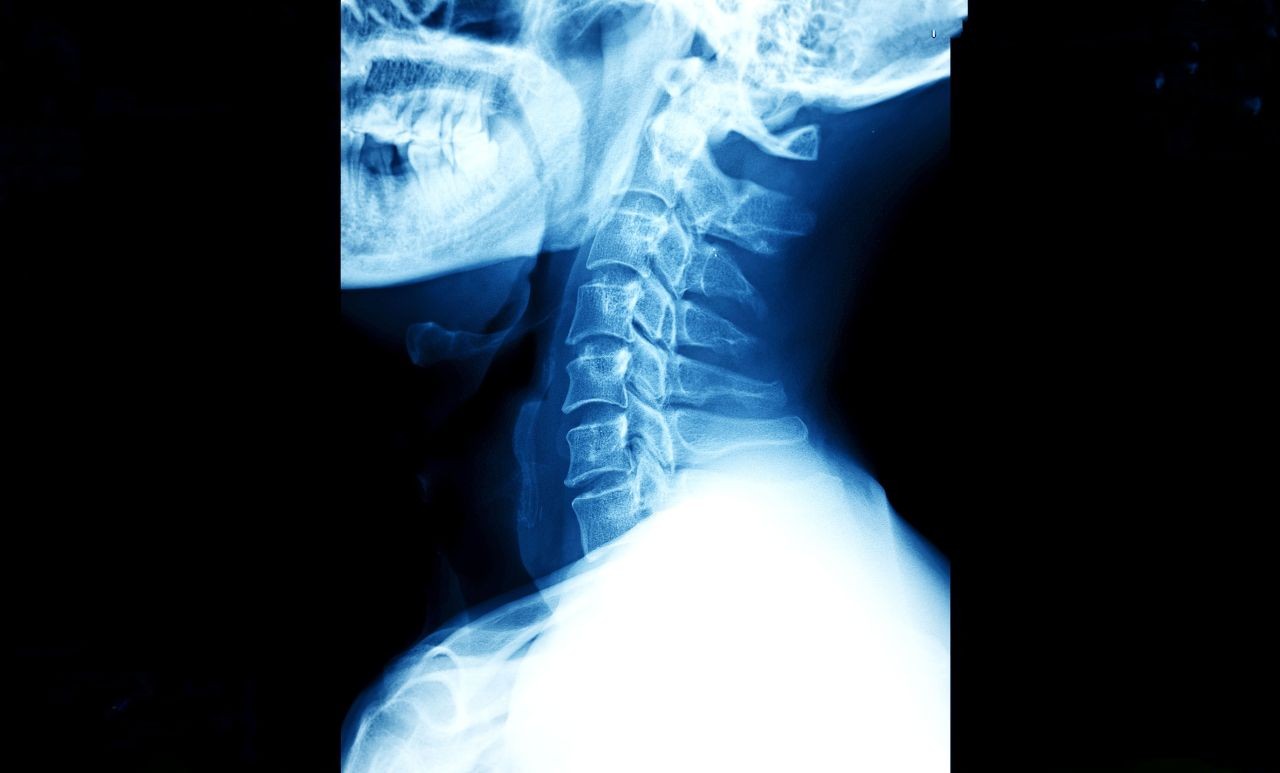
Cervical Myelopathy: Symptoms, Diagnosis & Treatment Options
If your hands feel clumsy when buttoning a shirt, or you've noticed a subtle change in the way you walk — as if your balance isn't quite right — you may be experiencing early signs of cervical myelopathy, a progressive spinal cord condition that affects the neck. Cervical myelopathy occurs when the spinal cord in the cervical (neck) region is compressed, disrupting the nerve signals that control movement, sensation, and coordination throughout the body. Without treatment, it tends to worsen over time. The good news: today's surgical options, including minimally invasive techniques, can stop progression and restore quality of life.
You've probably described it the same way to everyone who's asked: "I can walk about a block, then my legs get heavy and start to ache. I sit down for a minute and it passes. Then I can walk again."
You used to walk off a sore knee. Now you wake up with it. Going down stairs has become something you think about before you do it. And the weekend hike or pickup basketball game you used to enjoy? It's been months.
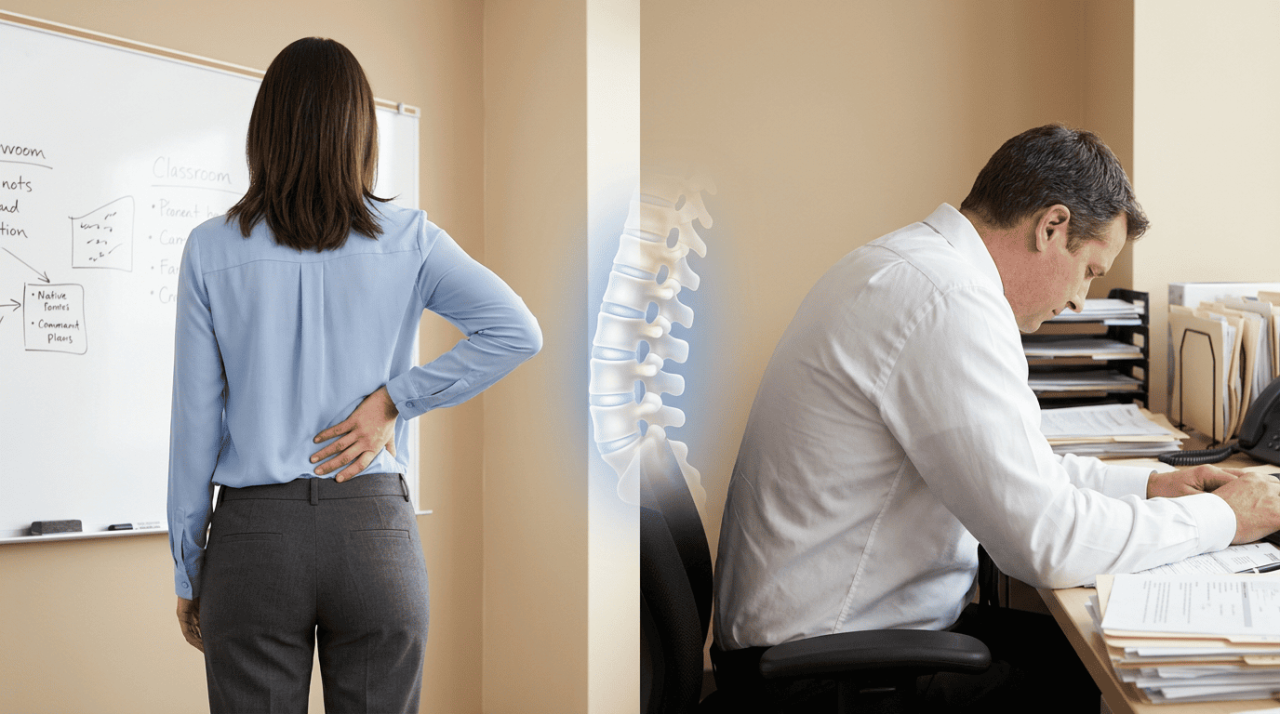
Occupational Back Pain: Guide for Teachers & Civil Servants
You don't lift heavy equipment. You don't run into burning buildings. But by 3 PM, your lower back is screaming. If you're a teacher standing on concrete floors for six hours, a city clerk hunched over a desk processing paperwork, or a transit worker sitting in the same position all shift—your back pain is just as real, just as debilitating, and just as deserving of expert care.
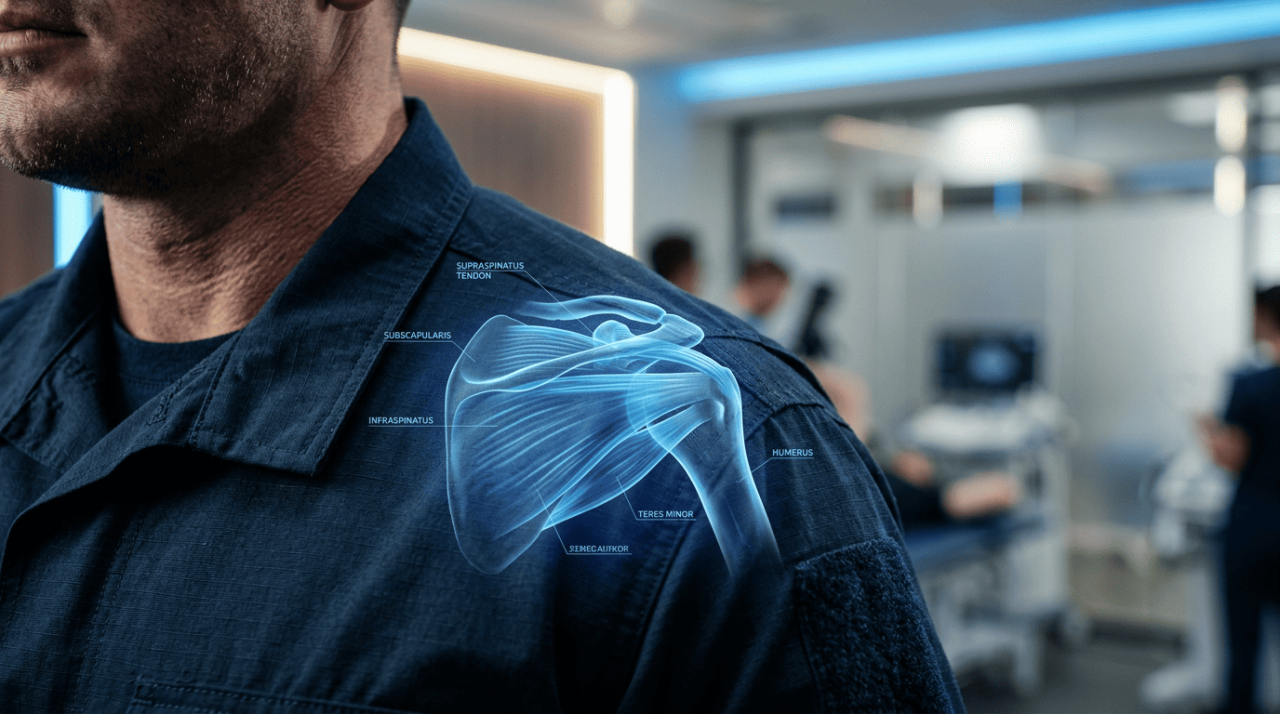
Rotator Cuff Recovery Timeline for First Responders & Active Pros
A rotator cuff tear doesn't just sideline you from the gym. If you're a police officer in Queens, a firefighter on Long Island, or an EMT working 12-hour shifts, it sidelines you from your career. You can't draw a weapon, force open a door, or lift a stretcher with a shoulder that won't cooperate.
Cervical Disc Surgery: Replacement vs. Fusion for Neck Pain
If you have a herniated disc in your neck, you know the feeling: the constant ache in your neck, the electric shocks down your arm, the numbness in your fingers that makes buttoning a shirt impossible.
When physical therapy and injections stop working, surgery becomes the conversation. For decades, the "gold standard" was to fuse the bones together (ACDF). But today, active patients in New York have a better option: Artificial Disc Replacement (ADR).
At Comprehensive Orthopedic & Spine Care, Dr. Carlos Castro and Dr. Joseph Weinstein are at the forefront of motion-preserving spine surgery. We don't just want to stop the pain; we want you to keep moving your neck.
For most people, a meniscus tear is an inconvenience. But if you’re a police officer in Queens, a firefighter in Long Island, or a teacher on your feet all day, it’s a threat to your livelihood. You don't just need to walk; you need to run, climb, or stand specifically for hours without your knee giving out.
The question isn't just "Will I recover?" It's "How fast can I get back to full duty?"
At Comprehensive Orthopedic & Spine Care, Dr. Joseph Weinstein understands the urgency of occupational recovery. We work with active professionals across the NYC metro area to create aggressive yet safe return-to-work protocols following meniscus surgery.
Herniated Disc Surgery: When Physical Therapy Fails
You've done the work. You went to physical therapy three times a week. You took the anti-inflammatories. You maybe even tried an epidural injection. But the pain in your leg—the burning, electric sciatica—is still there.
There is a frustrating "limbo" phase in back pain treatment where you feel like you've run out of options but aren't sure if you're "bad enough" for surgery.
At Comprehensive Orthopedic & Spine Care, we specialize in helping patients navigate this exact moment. Dr. Carlos Castro and Dr. Joseph Weinstein don't push surgery as a first resort, but when conservative care fails, we offer the definitive solution: Microdiscectomy.